Open post

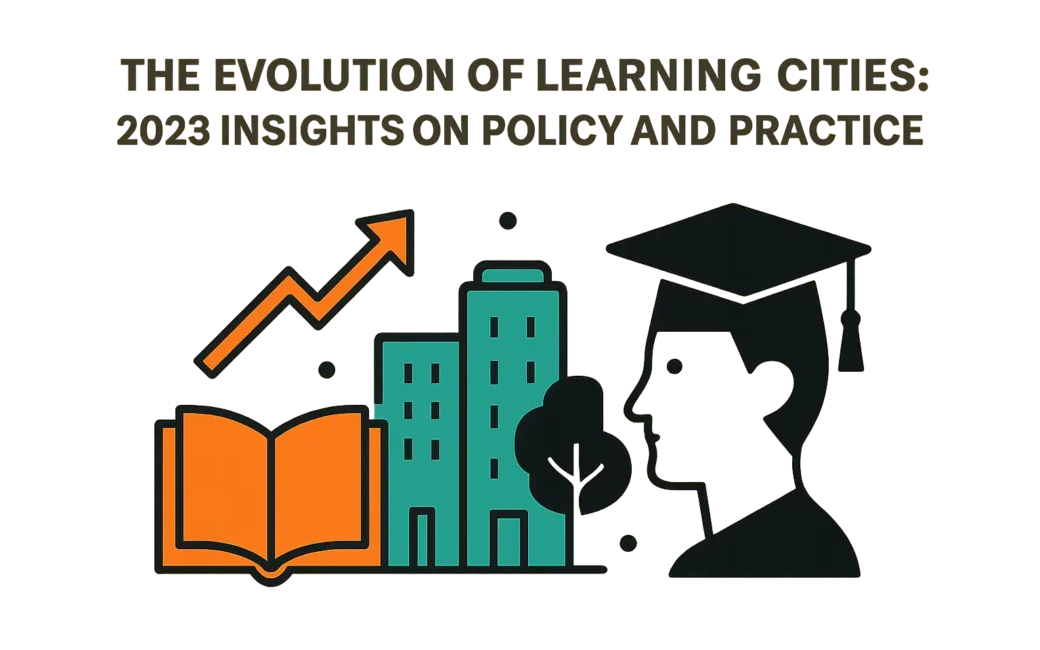
“The Evolution of Learning Cities: 2023 Insights on Policy and Practice”


The Evolution of Learning Cities: 2023 Insights on Policy and Practice

The Evolution of Learning Cities: 2023 Insights on Policy and Practice

Hey there! So, have you ever thought about what makes a city a great place to learn? I mean, we all know that education doesn’t just happen in classrooms, right? It seeps into the streets, parks, and community centers. It’s this vibrant ecosystem where every corner could potentially spark a new idea. That’s where the concept of “learning cities” comes in. And guess what? In 2023, we’re seeing some pretty exciting developments in this area. Let’s dive into it!

What Exactly Is a Learning City?

Here’s the thing: a learning city isn’t just a trendy buzzword that educators throw around at conferences. It’s a holistic approach to education that promotes lifelong learning for all residents. Think of it as creating an environment where learning becomes part of the urban fabric. Honestly, I wish someone had told me about this sooner!

  • Community Engagement: Learning cities thrive on participation. Local businesses, families, and schools all collaborate to create learning opportunities.
  • Inclusivity: Everyone, from toddlers to seniors, should have access to educational resources. It’s about making learning available to all.
  • Innovation: These cities embrace technology and creative methods to enhance learning experiences. Seriously, is there a more exciting time to be alive?

Just picture this: a neighborhood that organizes free workshops in community centers, or a local café offering digital literacy classes on Tuesday evenings. How cool is that? It’s like a constant festival of knowledge!

2023: A Year of Transformation

In 2023, we’re seeing cities rethink their strategies on how they approach education. Let’s break down some of the fresh insights that have emerged:

  • Policy Innovations: Cities are now crafting policies that prioritize learning as a public good. It’s about integrating education into urban planning. I mean, can you imagine a city where every library is just a short walk away? For more on this, check out our article on Essential Guiding Documents for Learning Cities: What to Know in 2023.
  • Partnerships with Tech Companies: Many local governments are teaming up with tech companies to provide digital resources and training. No joke, this trick actually works! We’re seeing more coding boot camps and tech fairs popping up.
  • Focus on Equity: There’s a massive push for equitable access to educational resources. The goal? No child (or adult!) left behind. Seriously, if we can make learning accessible to everyone, we’re on the right track.

So, let’s take a moment to appreciate this shift. I mean, when I was growing up, it felt like education was locked away behind walls of bureaucracy. But now? It’s spilling out into the streets, making learning an everyday adventure.

Real-Life Examples of Learning Cities in Action

Okay, let’s get into some real-life examples that are making waves. It’s one thing to talk about theory, but seeing it in action is where the magic happens.

  • Barcelona, Spain: This city has dedicated itself to creating a network of learning communities. They’ve turned parks into classrooms and hold discussions on various topics—no prior experience needed!
  • Melbourne, Australia: They focus on digital literacy and community-building. Their “Learn Local” initiative connects residents with local courses and workshops. I’ve heard they even have pop-up events where you can learn everything from baking to budgeting.
  • Seoul, South Korea: Known for its innovative approaches, Seoul has established ‘learning parks’ where people can gather to learn from one another. Imagine a space where you’re surrounded by like-minded people eager to grow together!

These cities are not just talking the talk; they’re walking the walk. And honestly, it makes me hopeful for the future. We’re creating spaces where everyone can thrive, no matter their age or background.

Challenges and Opportunities Ahead

But let’s not get too carried away; challenges still exist. Not every city is embracing this evolution, and sometimes those in charge don’t see the value in investing in community learning. Here’s what I think is important:

  • Funding: Learning initiatives need money. We need to advocate for budgets that prioritize education in public policy.
  • Awareness: Not everyone knows about these opportunities. It’s crucial to spread the word. How can we get more people excited about learning in their communities? Insights from the Navigating Change: Key Insights from 2023 National Education Policy Updates for Learning Cities can help spark those conversations.
  • Resistance to Change: Some folks just don’t want to change their traditional methods. Let’s be real; it can be tough to shift mindsets. But if we don’t try new things, how can we grow?

But hey, where there are challenges, there are also opportunities. By working together, we can tackle these issues head-on and make our cities truly learning-friendly.

Wrapping It Up

So, here’s where we land: the evolution of learning cities in 2023 is an exciting journey, full of potential and promise. We’re seeing communities band together to create environments where learning is a shared responsibility. It’s all about inclusivity, innovation, and engaging everyone.

As we move forward, let’s keep the conversation going. What can we do to support our local learning initiatives? What ideas do you have for making your city a better place to learn? I’d love to hear your thoughts!
Open post

“Essential Guiding Documents for Learning Cities: What to Know in 2023”

Essential Guiding Documents for Learning Cities: What to Know in 2023

Hey there! So, you’ve probably heard all this buzz about “Learning Cities,” right? It’s like the cool new kid in the education neighborhood. But what does that really mean? Let’s break it down over a virtual cup of coffee. I mean, who doesn’t love a good chat about education innovation? I sure do!

In 2023, the idea of Learning Cities is not just a trend; it’s becoming a necessity. These cities are focusing on lifelong learning and creating environments that foster education at every level. But to do this effectively, there are some essential guiding documents that every Learning City should be aware of. Let’s dive into those, shall we?

Understanding the Role of Learning Cities

Before we get into the nitty-gritty, let’s chat about what a Learning City actually is. It’s not just a fancy term thrown around in education meetings (though, let’s be honest, it often feels that way). A Learning City emphasizes education as a community-led initiative, focusing on:

  • Accessibility to learning for all citizens
  • Collaboration among various stakeholders
  • Creation of inclusive and sustainable learning environments
  • Encouragement of innovation and digital literacy

This is all about fostering a culture of continuous learning, which is super important in our rapidly changing world. How many times have you felt lost in the face of new technology? Or just overwhelmed with the endless learning resources out there? I know I have! That’s where Learning Cities come into play.

Key Documents Every Learning City Should Embrace

Alright, let’s get down to business—what documents should these Learning Cities consider as their guiding lights? Here are a few must-haves:

1. The UNESCO Global Framework of Principles for Learning Cities

First up, this document is like the Bible for Learning Cities. Seriously, if you’re in this space, you need to know what it says. It outlines key principles such as:

  • Inclusivity in education
  • Collaboration across sectors
  • Community empowerment

What I love about this framework is that it’s not all theory. It provides real-life examples and case studies from cities that are nailing this whole “learning” thing. No joke, it’s a treasure trove of inspiration!

2. The Lifelong Learning Agenda for 2030

This one is like a roadmap for what we want to achieve by 2030. It emphasizes the need for cities to:

  • Promote digital literacy
  • Enhance civic engagement through learning
  • Support equitable access to education

I can’t stress enough how important it is to have a clear vision for the future. It’s like planning a road trip; you wouldn’t just jump in the car and drive, right? You need a destination, and this agenda helps you get there. For more insights on this, check out Navigating Change: Key Insights from 2023 National Education Policy Updates for Learning Cities.

3. The OECD Learning Cities Initiative

Okay, let’s talk about the Organization for Economic Co-operation and Development (OECD). They are all about research and best practices. Their initiative provides valuable resources, including:

  • Data on learning outcomes
  • Guidelines for local governments
  • Strategies for partnerships

What’s cool here is that they help cities benchmark their progress. I mean, who doesn’t love a good progress report? It keeps everyone accountable and motivated to improve. Understanding how the 2023 National Education Policy Shapes the Future of Learning Cities is also crucial for leveraging these documents effectively.

Why These Documents Matter

Now, you might be thinking, “Okay, great. But why should I care?” Well, here’s the thing: these documents really shape the education landscape. Without them, it’s like trying to build a house without blueprints. You might get some walls up, but good luck with the roof!

These guiding documents:

  • Promote best practices
  • Encourage collaboration among stakeholders
  • Provide a framework for evaluating success

And let’s be real, who doesn’t want to be part of something bigger than themselves? By engaging with these documents, you’re contributing to a movement that’s all about making education equitable and accessible for everyone. How awesome is that?

Final Thoughts

In a nutshell, the world of Learning Cities is evolving, and staying updated with essential guiding documents is key to making a positive impact. Whether you’re a city planner, educator, or just someone passionate about lifelong learning, understanding these frameworks can help you engage in meaningful dialogue and action.

So, let’s keep the conversation going. Have you come across any other guiding documents that should be on our radar? What challenges have you faced in the education arena? I’d love to hear your thoughts! Remember, we’re all in this together, striving for a smarter, more educated world. Cheers to that!
Open post

“Navigating Change: Key Insights from 2023 National Education Policy Updates for Learning Cities”


Navigating Change: Key Insights from 2023 National Education Policy Updates for Learning Cities

Navigating Change: Key Insights from 2023 National Education Policy Updates for Learning Cities

Hey there! If you’re anything like me, you probably find yourself glued to the news, trying to decipher the latest twists and turns in education policy. I mean, let’s be real—who doesn’t want to stay ahead of the game when it comes to shaping our kids’ futures? Well, buckle up, because the 2023 updates to the National Education Policy (NEP) have some juicy insights that learning cities need to pay attention to. Trust me, whether you’re a teacher, parent, or just someone invested in education, this is worth your time!

Understanding the Shifts in the NEP

First things first—let’s break down what the NEP updates are all about. Remember when education felt like a rigid box that didn’t allow for any creativity? Well, those days are waning. The 2023 updates are all about flexibility and adaptability, which is music to my ears! Here are a few key points:

  • Emphasis on Holistic Learning: We’re moving towards a system that values emotional and social development just as much as academics. Can I get a high five for that?
  • Technology Integration: It’s not just a buzzword anymore. Schools will be leveraging tech for personalized learning experiences. Honestly, I wish I had tools like these back when I was in school!
  • Inclusivity and Accessibility: The updates stress equal access to quality education for all. Finally, we’re recognizing that everyone learns differently. No joke, this is a game changer!

Why Learning Cities Should Take Note

Alright, so why should learning cities care about these updates? Well, here’s the thing: our cities are not just places; they’re communities filled with potential. With the NEP updates, we have the chance to develop educational ecosystems that are responsive to local needs. Imagine that!

Here’s how this can play out:

  • Community Involvement: Local businesses and organizations can collaborate with schools to create real-world learning experiences. It’s like having a field trip without leaving the classroom!
  • Support for Educators: Investing in teacher training is crucial. Teachers are the backbone of our education system, and we need to equip them with the tools to thrive.
  • Fostering Lifelong Learning: Let’s not forget that education doesn’t stop at graduation. Cities can offer adult education programs that cater to everyone—from recent grads to working professionals looking to upskill. This aligns with the insights from How the 2023 National Education Policy Shapes the Future of Learning Cities.

Challenges on the Horizon

Now, let’s not sugarcoat things—change is hard, and implementing these updates won’t be a walk in the park. There will be challenges, and I think it’s crucial we acknowledge that. Just between us, this stuff can feel overwhelming sometimes. Here are a few obstacles we might face:

  • Funding and Resources: How do we ensure that every city has the money to implement these changes? It’s a tricky balance, for sure.
  • Resistance to Change: Some people might feel threatened by new methods or ideas. Let’s face it—change can be scary!
  • Scalability: What works in one city might not be feasible in another. We need to be adaptable and willing to tweak our approaches.

Looking Ahead: The Silver Lining

But it’s not all doom and gloom! In fact, I see a silver lining in these challenges. They push us to think creatively and work collaboratively. Plus, isn’t it exciting to be part of something that can redefine education for future generations? It gives me goosebumps just thinking about it!

As I wrap up this little chat, I can’t help but feel optimistic about the changes on the horizon. By embracing the insights from the NEP updates, we can create learning cities that are vibrant, inclusive, and truly transformative. For a deeper understanding of how these updates fit into the broader context, check out our Guiding Documents for Learning Cities: A Comprehensive Review of 2023 Developments.

Conclusion

In the end, we’ve got a unique opportunity here, folks! Whether you’re an educator, a parent, or just a concerned citizen, you have a role to play in shaping the future of education. Let’s come together and navigate this change. If we can harness these insights and work through the challenges, we might just be able to create an educational landscape that future generations will thank us for. So, what do you say? Ready to dive in?


Open post

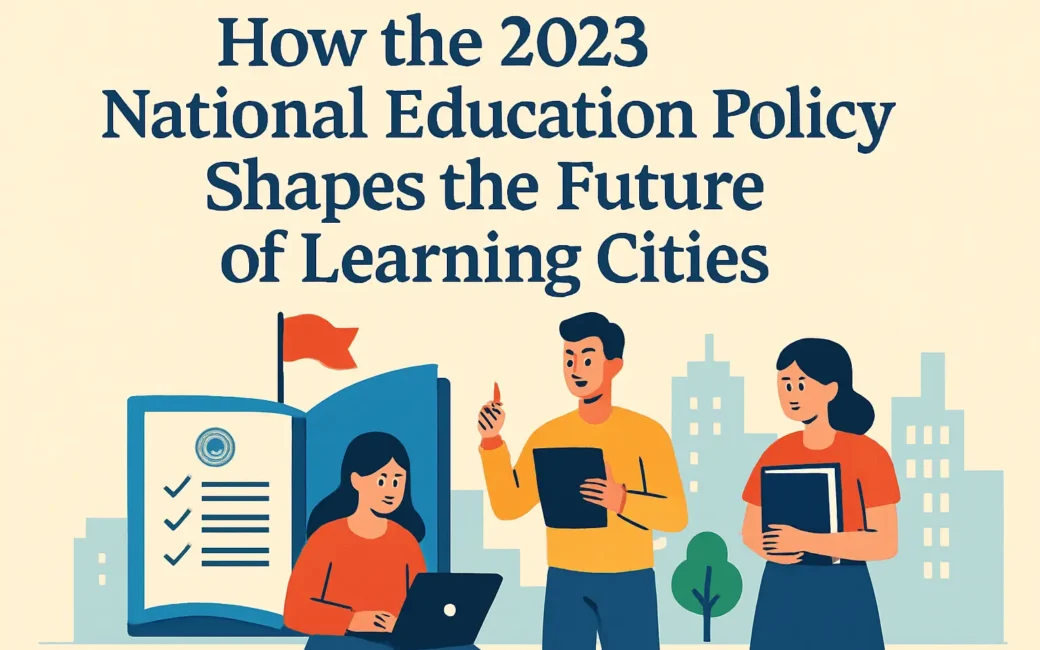
“How the 2023 National Education Policy Shapes the Future of Learning Cities”


How the 2023 National Education Policy Shapes the Future of Learning Cities

How the 2023 National Education Policy Shapes the Future of Learning Cities

Hey there! So, let’s dig into something that’s been buzzing around lately—the 2023 National Education Policy (NEP) and its impact on our future learning cities. Honestly, it’s a big deal! I mean, how we educate our kids shapes not just their future, but the future of our communities, too. Are we ready? Because I am!

What is the 2023 National Education Policy?

First off, let’s break down what the NEP is all about. The 2023 NEP is a comprehensive framework aimed at overhauling the education system in India. You might be thinking, “Okay, but what does that mean for me?” Well, here’s the scoop:

  • It emphasizes holistic, multidisciplinary education.
  • There’s a major focus on vocational training and skill development.
  • It aims to integrate technology into learning, because let’s face it, we live in a tech-driven world.
  • It promotes lifelong learning—yes, lifelong! Learning doesn’t stop after school.

Here’s the thing: this policy is not just another boring document. It’s a game-changer that could shape how we think about learning in cities across the country. For a deeper understanding of the policy’s implications, check out our article on National Education Policy Update 2023: Key Changes Impacting Learning Cities.

Learning Cities: What’s the Big Idea?

Now, you might be wondering, “What exactly is a learning city?” Great question! A learning city is essentially a community that prioritizes education, knowledge-sharing, and skill-building for everyone, from toddlers to seniors. Imagine a city where learning is woven into the very fabric of life! Okay, maybe that sounds a bit utopian, but hear me out.

Here’s what I’ve seen and what I think we can expect when the NEP kicks in:

  • Community Learning Centers: Picture libraries that double as workshops or cafes that host skill-sharing evenings. This encourages everyone to participate in their own learning journey.
  • Collaboration with Tech: Local governments working hand-in-hand with tech companies to provide free online courses or training. Seriously, how cool would that be?
  • Engaging Local Universities: Students from universities teaming up with local schools for mentorship programs. Think of the fresh ideas and inspiration that could flow from that!

How the NEP Will Change the Game

Alright, by now you might be asking, “How does all of this actually happen?” No joke, there are a few key areas where the NEP can really shine:

  • Accessibility: The NEP pushes for inclusive education. That means more resources for kids with disabilities or those from underprivileged backgrounds. Imagine a city where every child has access to quality education—sounds incredible, right?
  • Skill Development: With an increased focus on vocational training, we could see a shift toward preparing students for the jobs of tomorrow. Let’s be real, it’s high time we recognize that not every kid wants to be a doctor or engineer.
  • Critical Thinking: The policy encourages a shift from rote learning to critical thinking and problem-solving. Honestly, I wish someone had told me this sooner in school—imagine how much more engaged I would have been!

My Personal Take: The Future Looks Bright!

So, what do I think? Honestly, I’m super excited about the potential this policy has to reshape our cities into vibrant learning hubs. I remember sitting in class thinking, “Why do I need to know this?” But with the focus on real-world skills and community involvement, I believe students will feel more connected and engaged.

But here’s a confession—there’s a long way to go, and we need to keep the pressure on. Government officials, educators, and even parents need to roll up their sleeves and get involved. It’s not enough to just have a policy in place; we need action and commitment!

Conclusion: Ready to Embrace Change?

At the end of the day, the 2023 National Education Policy is not just about textbooks and exams; it’s about creating a future where learning is accessible and enjoyable for everyone. So, let’s embrace this change, folks! Learning cities could become the breeding grounds for innovation and creativity, and it’s up to us to make them thrive. For a comprehensive overview of the developments around learning cities this year, don’t miss our article on Guiding Documents for Learning Cities: A Comprehensive Review of 2023 Developments.

What do you think? Are you as excited as I am about the possibilities? Let’s keep the conversation going! After all, learning is a journey we’re all on together.


Open post

“Guiding Documents for Learning Cities: A Comprehensive Review of 2023 Developments”


Guiding Documents for Learning Cities: A Comprehensive Review of 2023 Developments

Guiding Documents for Learning Cities: A Comprehensive Review of 2023 Developments

Hey there! So, let’s chat about something that’s been buzzing around the education scene lately: learning cities. Honestly, I hadn’t even heard of this concept until a couple of years ago. But now? It’s all the rage, and for good reason. Learning cities are places that prioritize education and lifelong learning as key components of their development strategies. Sounds fancy, right? But it’s really more about empowering communities to access education in every corner of their lives. So, grab your coffee, and let’s explore some of the guiding documents that have shaped learning cities in 2023.

What Are Learning Cities and Why Do They Matter?

Okay, before we dive into the nitty-gritty of the guiding documents, let’s quickly unpack what learning cities even are. Think of them as urban areas where education isn’t just a thing you do in school but a way of life. It means:

  • Community learning initiatives that encourage everyone from toddlers to seniors to keep learning.
  • Collaboration between local governments, businesses, and educational institutions.
  • Access to resources and support for lifelong education.

Honestly, I love this idea. Imagine a city where you can pop into a local workshop on knitting or attend a tech seminar—how cool is that? It creates a vibrant culture of learning that benefits everyone.

2023’s Key Documents Shaping Learning Cities

Alright, let’s get into the meat of this. In 2023, several important documents have come out that really define what we’re aiming for with learning cities. Here’s a quick rundown:

  • UNESCO’s Lifelong Learning City Framework: This document outlines the principles and best practices for cities to create inclusive learning environments. It’s like a recipe book for success—mix a little community engagement with a dash of technology, and voila!
  • OECD’s Learning Cities Report: This report analyzes how different cities are implementing learning initiatives. It’s fascinating to see what’s working and what isn’t. Spoiler alert: some cities are really knocking it out of the park!
  • Global Network of Learning Cities (GNLC) Guidelines: These guidelines provide a collaborative platform for cities to share strategies and resources. It’s all about learning from one another. Seriously, I think we could all use a bit more of that.

Challenges and Opportunities in Implementing Learning Cities

Here’s the thing: while the concept of learning cities is super exciting, there are definitely challenges in making it a reality. Some cities are struggling to get everyone on board. But hey, every challenge is also an opportunity, right? Let’s look at some:

  • Funding: Many cities lack the financial resources to implement extensive learning initiatives. But this is an opportunity for creative partnerships with local businesses and organizations. No joke, sometimes a little collaboration can go a long way!
  • Technology Access: Not everyone has the same access to technology. So, creating programs that are inclusive and equitable is crucial. Seriously, if we can’t all get on the same digital playing field, then what’s the point?
  • Public Engagement: Getting the community involved can be tough. But think about it: if you can tap into local interests and passions, then suddenly, everyone’s invested. It’s a game-changer! For example, the 2023 Look at Jefferson City MO’s Special Learning Center showcases how local initiatives can inspire community engagement.

Success Stories from Around the Globe

Let’s wrap up with some feel-good stories! There are cities out there absolutely crushing it in the learning city department. Here are a few that caught my eye:

  • Montreal, Canada: They’ve launched community learning hubs that cater to various interests, from art to technology. People are coming together to learn, share, and grow. Honestly, it sounds like a blast!
  • Barcelona, Spain: Their focus on integrating local history and culture into educational programs has created a rich learning environment. How’s that for making education relevant?
  • Curitiba, Brazil: Known for its innovative public transportation system, Curitiba has also integrated learning into that. They offer workshops on sustainability and urban development that engage citizens in their city’s growth.

Conclusion: The Future of Learning Cities

So, there you have it! Learning cities are more than just a buzzword; they’re a movement that can genuinely change how we think about education. We’re on the brink of a shift that could redefine our communities. And honestly? I can’t wait to see where it all goes. If you ever dive into this topic, I’d love to hear your thoughts. Let’s keep this conversation going—after all, learning never stops! For more insights, check out the National Education Policy Update 2023, which discusses key changes impacting learning cities.


Open post

“National Education Policy Update 2023: Key Changes Impacting Learning Cities”


National Education Policy Update 2023: Key Changes Impacting Learning Cities

National Education Policy Update 2023: Key Changes Impacting Learning Cities

Hey there, fellow education enthusiasts! So, let’s grab a cup of coffee and dive into something that’s been buzzing in the education world: the latest updates from the National Education Policy (NEP) for 2023. If you’re anything like me, you probably have a mix of excitement and confusion about how these changes will impact our lovely learning cities. Buckle up; we’ve got a lot to unpack!

What’s New? A Quick Overview

First things first—what exactly is the National Education Policy? Well, it’s a comprehensive framework aimed at guiding the development of education in the country. The updates for 2023 are significant and come with a promise to reshape how we think about learning. If you’re wondering whether you should be excited or nervous, let’s break down the main points.

  • Focus on Holistic Education: The updates emphasize a more rounded educational experience. This means not just academics but also arts, sports, and life skills. Isn’t that refreshing?
  • Integration of Technology: No surprise here! With our dependency on gadgets, the NEP is pushing for better tech integration. Think coding classes for elementary kids. I mean, if my little cousin can figure out Minecraft, he can sure learn a bit of Python, right?
  • Flexible Curriculums: One size doesn’t fit all when it comes to education. The NEP is moving towards a more individualized approach, allowing schools to adapt their curriculums based on community needs. This is where learning cities can really shine!

How Will These Changes Impact Learning Cities?

Let’s get real for a moment. Learning cities are places where education is not just about classrooms and textbooks. It’s about communities coming together to foster growth. With the NEP updates, the dynamic is about to shift. Here’s how:

  • Community Engagement: Schools will likely collaborate more with local organizations. Picture this: a local artist teaching a workshop at your child’s school. How cool is that? It could spark creativity and community spirit.
  • Job Readiness: With an increased focus on skills, students will graduate more prepared for the workforce. We’ve all heard those horror stories about kids leaving school just to figure out how to adult, right? This change could help avoid that awkward phase.
  • Support for Marginalized Groups: The NEP places importance on inclusivity, ensuring that learning cities cater to all—especially those who’ve been left behind. It’s about time we put our money where our mouth is when it comes to equitable education.

The Role of Technology: The Good, the Bad, and the Ugly

Alright, let’s chat about technology. I get it; it’s a double-edged sword. On one hand, tech can make learning super engaging. On the other hand, too much screen time? Yikes! The NEP update really highlights the need for a balanced approach.

  • Online Resources: More learning materials will be available online, which is fantastic for those who love to binge-watch educational videos. Remember, learning can be fun!
  • Digital Divide: Here’s the kicker: not everyone has access to technology. The NEP recognizes this gap and aims to bridge it. Can you imagine a learning city where every kid has a tablet? It sounds dreamy.
  • Teacher Training: Teachers are the backbone of this change. They’ll need training to effectively use new technologies in classrooms. Honestly, if my high-school teacher could figure out social media, we’d have had a blast!

What Can We Do? Getting Involved

So, you’re probably wondering, “What can I do to support these changes?” Well, let me spill the beans! It’s easier than you think:

  • Stay Informed: Keep up with local education news. Subscribe to newsletters, follow blogs—like this one! You’ll want to know what’s happening in your neck of the woods.
  • Engage with Schools: Attend school board meetings or parent-teacher conferences. Trust me, it’s more interesting than it sounds, and it’s a great way to voice your support for new initiatives.
  • Start Conversations: Talk to friends, family, and neighbors about these changes. The more we discuss, the more impact we can have collectively. Plus, who doesn’t love a good coffee chat about education?

Conclusion: A Bright Future Ahead

In conclusion, the National Education Policy 2023 represents a significant shift for learning cities, with promising changes that emphasize holistic education, community involvement, and tech integration. Change can be daunting, but let’s embrace it! I can’t help but feel excited about the future of education.

For those interested in specific innovations, check out A 2023 Look at Jefferson City MO’s Special Learning Center: Innovations in Education Policy for insights on local initiatives. So, what are your thoughts? Are you ready to roll with the changes? I’d love to hear your opinions or experiences with the NEP updates! Let’s keep this conversation going and help shape a brighter future for our kiddos!

Additionally, learn how Jefferson City MO is Pioneering Education Policy with Its Special Learning Center is setting a precedent for educational reform.


Open post

“A 2023 Look at Jefferson City MO’s Special Learning Center: Innovations in Education Policy”


A 2023 Look at Jefferson City MO’s Special Learning Center: Innovations in Education Policy

A 2023 Look at Jefferson City MO’s Special Learning Center: Innovations in Education Policy

Hey there, friends! If you’ve been paying attention to the world of education lately (and let’s be honest, who hasn’t?), you might’ve heard whispers about some exciting things happening in our very own Jefferson City, MO. Yeah, that sleepy little capital that’s often overshadowed by its bigger, flashier neighbors. But trust me, Jefferson City is making waves, especially with its Special Learning Center. So grab a cup of coffee, and let’s dive into what makes this place a beacon of hope and innovation in education policy.

What is the Special Learning Center?

First off, let’s clear things up. The Special Learning Center (SLC) isn’t just another educational facility; it’s a revolutionary approach to learning for kids with special needs. It’s designed to cater to a diverse range of abilities, fostering an environment where every child can thrive. I remember the days when special education was an afterthought—seriously, it felt like kids were shoehorned into whatever system was in place. But here at SLC, that’s not the case.

  • Inclusive Curriculum: You won’t find a one-size-fits-all approach here. The curriculum is tailored to meet the students’ individual needs, ensuring they get the support they deserve.
  • Highly Trained Staff: The educators at SLC are not only trained but are also passionate about making a difference. You can see it in their eyes when they talk about their students.
  • Parent Involvement: SLC is all about collaboration. Parents are encouraged to be involved in decisions and activities, making it a community effort.

Honestly, I wish someone had told me sooner how vital these elements are in education. When parents and educators work together, the impact is just… well, magical. It’s like a well-tuned orchestra; it just works.

Innovations in Education Policy

So, here’s the thing: The SLC isn’t just a cool place for kids; it’s also a shining example of progressive education policy. They’re pushing boundaries in ways that are inspiring other districts to step up their game. Let’s break down some of the innovations that really caught my eye. For instance, the recent Education Policy Update: The Impact of Jefferson City MO’s Special Learning Center in 2023 highlights how these changes are resonating beyond the local community.

  • Customized Learning Plans (CLPs): Each student gets an individualized plan that’s revisited regularly. No joke, these plans adapt as the child grows and learns. It’s like having a personal coach for education!
  • Technology Integration: From interactive whiteboards to specialized apps, technology is not just a luxury here—it’s a part of daily life. I mean, how cool would it have been for me during school to have tools that cater specifically to my learning style?
  • Focus on Life Skills: It’s not just about academics. The SLC prioritizes teaching everyday skills. Seriously, learning how to cook or manage money is just as important as mastering math.

And let’s be real—these innovations aren’t just good for the kids. They’re also a huge relief for parents. We all want what’s best for our kids, right? Knowing there’s a place that genuinely cares about their development? That’s worth its weight in gold. If you’re curious about how these initiatives began, check out how Jefferson City MO is Pioneering Education Policy with Its Special Learning Center.

The Role of Community in Education

Community support plays a vital role in the success of the Special Learning Center. Local businesses, organizations, and volunteers have stepped up big time. I’ve seen how even the smallest acts can lead to significant changes. Whether it’s hosting fundraisers or providing mentorship, every little bit helps. Here are a few examples of community involvement:

  • Workshops and Seminars: Local experts come in to share valuable insights with both parents and teachers, creating a learning environment that extends beyond the classroom.
  • Volunteer Programs: Community members lend a hand, offering their time to help with activities, tutoring, or just being a friendly face for the kids.
  • Local Partnerships: Collaborations with businesses ensure students can gain real-world experience through internships or job shadowing.

To me, that’s the kind of community spirit we need more of. It’s like the saying goes: “It takes a village.” And at SLC, that village is alive and well.

Looking Ahead: The Future of Education in Jefferson City

As we inch toward the future, I can’t help but feel excited about what’s next for the Special Learning Center and education in Jefferson City as a whole. This place is setting a precedent. Other school districts are watching closely, and honestly, they should be. Here are a few trends I see emerging:

  • More Inclusive Policies: With success stories coming out of SLC, it’s likely that we’ll see broader adoption of inclusive practices across the board.
  • Increased Funding: As awareness grows, so does the potential for funding. More financial support means more resources for kids who need it most.
  • Community Engagement Growth: If the current trend continues, expect to see even more active involvement from the community, enhancing the educational experience.

I’m not saying it’s all sunshine and rainbows, but it feels like we’re on the right path. And that gives me hope. Who wouldn’t want to see that?

Conclusion

So there you have it—a little glimpse into the blueprints of change happening right in our backyard. The Special Learning Center in Jefferson City, MO, is more than just an educational institution; it’s a hub of innovation, collaboration, and hope. If you ever get the chance, swing by, see it for yourself, and maybe even lend a hand. Because at the end of the day, the future of education isn’t just about policies—it’s about people. And, let’s be real, that’s what truly counts.


Open post

“How Jefferson City MO is Pioneering Education Policy with Its Special Learning Center”


How Jefferson City MO is Pioneering Education Policy with Its Special Learning Center

How Jefferson City MO is Pioneering Education Policy with Its Special Learning Center

Hey there! So, let’s chat about something that’s been on my mind lately: education policy. I know, I know—sounds a bit dry, right? But stick with me, because what’s happening in Jefferson City, MO, is pretty exciting. They’re doing something unique with their Special Learning Center, and it has the potential to change a lot for local families and students. Seriously, I think we could all learn a thing or two from what they’re trying out. So grab your coffee, and let’s dive in!

A New Approach to Learning

First off, let’s set the scene. Jefferson City isn’t just your average Midwestern town; it’s buzzing with innovative ideas, especially when it comes to education. The Special Learning Center (SLC) isn’t just any school—it’s a groundbreaking initiative aimed at providing tailored educational experiences to students with diverse needs. And honestly, isn’t that what we’ve been waiting for in education?

Here’s the thing: the traditional one-size-fits-all model simply doesn’t cut it anymore. We’ve all seen it, right? Kids are unique, and they learn differently. At the SLC, they’ve recognized this fundamental truth, and they’re embracing it. Can I get an amen?

What Makes the Special Learning Center Special?

Now, you might be wondering, what exactly makes the SLC stand out? Let’s break it down:

  • Individualized Learning Plans: Each student gets an education plan tailored to their specific strengths and challenges. No more cookie-cutter approaches!
  • Holistic Support: The SLC isn’t just about academics. They focus on social, emotional, and behavioral support too. Imagine the relief that brings to parents!
  • Community Involvement: They actively involve families and the local community in the learning process. It’s about building a network of support.
  • Innovative Teaching Techniques: The staff is trained in cutting-edge methods, including sensory-based learning. I mean, come on! How cool is that?

Honestly, I wish someone had told me about individualized learning plans when I was in school. How many times did I sit in class thinking, “Why am I learning this way?” It’s like they say—if you’ve seen one child learn, you’ve seen one child learn. We’re all different!

Challenges and Triumphs

Of course, with any new policy or initiative, there come challenges. And let’s not sugarcoat it—Jefferson City has faced its fair share. Funding issues, community skepticism, and adapting to new methodologies are just a few hurdles they’ve encountered.

But here’s the thing: every challenge is an opportunity in disguise. The SLC team has embraced feedback and made adjustments along the way. They’ve even created partnerships with local businesses to secure additional funding. Talk about thinking outside the box!

One story that really hit home for me was a mom I spoke with who has a son with autism. She shared how the SLC staff took the time to explain everything to her, ensuring she felt included in her son’s learning process. That’s the kind of support we need everywhere, don’t you think? It’s not just about the kids; it’s about the families too!

A Vision for the Future

So, what’s next for the SLC? Well, they’re aiming high! Their vision includes expanding their services even further, incorporating more technology into the classroom, and developing partnerships with universities for teacher training. Can you imagine? Future educators learning innovative strategies right here in Jefferson City!

And let’s be real—the impact of what they’re doing could ripple out far beyond their city. If they can prove that this model works, it could serve as a blueprint for other cities across the country. Now that’s something to get excited about! In fact, the insights gained from adult learning centres could further enhance their approach.

Here’s a little confession: Sometimes I feel overwhelmed by the challenges facing our education system. But then I hear stories like these, and I remember that change is possible. It may take time, but with passionate people pushing the envelope, we can get there!

In Conclusion: A Beacon of Hope

Wrapping up, I honestly believe that Jefferson City’s Special Learning Center is a shining example of what can happen when a community decides to prioritize education. They’re not just talking the talk; they’re walking the walk, and it’s inspiring.

So whether you’re a parent, educator, or just someone who cares about the future, let’s pay attention to what’s happening in Jefferson City. It’s a reminder that innovative education policies can—and do—make a difference. And who knows? Maybe we can all take a page out of their book and start advocating for change in our own communities. Let’s keep the conversation going!


Open post

“Education Policy Update: The Impact of Jefferson City MO’s Special Learning Center in 2023”


Education Policy Update: The Impact of Jefferson City MO’s Special Learning Center in 2023

Education Policy Update: The Impact of Jefferson City MO’s Special Learning Center in 2023

Hey there, friends! If you’ve been keeping an eye on education news lately, you might have heard the buzz about the Special Learning Center in Jefferson City, MO. Honestly, it’s hard to ignore the ripple effects this center is creating, not just in the community but across the state. So, grab your coffee—let’s dive into what’s happening and how it really matters.

What’s the Special Learning Center All About?

First off, let’s talk about what makes the Special Learning Center special (see what I did there?). This isn’t just another brick-and-mortar school; this place is a game-changer, especially for students with disabilities. Here’s what you need to know:

  • Inclusive Education: The center emphasizes a model where all kids, regardless of their abilities, learn together. It’s about breaking down those walls and creating a more inclusive environment.
  • Individualized Learning Plans: Each child gets a tailored learning plan. No two kids are the same, and this approach recognizes that beautifully.
  • Community Support: The center has rallied support from local businesses and organizations, making it truly a community effort.

Honestly, I wish someone had told me sooner how vital inclusive education is. Growing up, I often felt like we were all just crammed into the same box, and it’s refreshing to see educators breaking that mold! In fact, the importance of such initiatives is echoed in articles like “Revitalizing Communities: The Essential Role of City Adult Learning Centres in Modern Learning Cities”, which discusses similar themes of community engagement in education.

The Impact on Families and Students

Now, let’s get a little personal. I had a friend whose son struggled with traditional schooling. His experiences often left them feeling frustrated and misunderstood. Fast forward to now, and they’ve discovered the Special Learning Center. The change? Mind-blowing!

  • Empowerment: Families are feeling more empowered. Parents are actively involved in their kids’ education, making decisions together with educators.
  • Improved Mental Health: Kids are happier! Seriously, who doesn’t want their child to be excited about learning? The smiles on their faces tell the entire story.
  • Stronger Community Bonds: With parents, teachers, and local residents working together, it’s like the community has become one big supportive family.

Here’s the thing: when kids thrive, families thrive. It’s a win-win situation! And let’s be real, who doesn’t want to see their kids succeed without barriers? This kind of success is something that will be essential as we look towards the future, as highlighted in “Navigating the Future: How City Adult Learning Centres are Shaping Learning Cities in 2025”.

The Role of Teachers at the Special Learning Center

Okay, let’s chat about the unsung heroes in all of this—the teachers! These folks are like the superheroes of the education world, and they deserve a medal, no joke. They’re not just teaching; they’re adapting, understanding, and nurturing each child’s unique abilities. Here’s what makes them special:

  • Continuous Training: Teachers at the center undergo regular training to stay updated on the best practices for inclusive education. It’s not just “one and done” here!
  • Collaboration: They work as a team, sharing strategies and insights. Imagine a group of passionate individuals brainstorming over coffee—it’s that kind of vibe!
  • Building Relationships: These teachers aren’t just there for the curriculum; they genuinely care about each student’s journey.

Honestly, I’ve seen how a great teacher can change a kid’s life for the better. It’s pretty incredible. And I can’t help but think that we need more passionate educators like those at the Special Learning Center.

Looking Towards the Future

So, with all this great stuff happening, what’s next for Jefferson City’s Special Learning Center? Well, it seems like they’re gearing up for even more growth and expansion. Here’s what I’ve gathered:

  • Increased Enrollment: There’s a buzz about the center expanding to accommodate more students. More kids = more opportunities for everyone!
  • New Programs: They’re exploring new programs that cater to various learning styles and needs. Let’s hope they get creative with it!
  • Further Community Engagement: The center plans on enhancing partnerships with local businesses and organizations for added resources and support.

It’s an exciting time, folks! I can’t help but feel hopeful about the direction we’re headed. Education should be about lifting each other up, and it looks like Jefferson City is leading the way.

Final Thoughts

In conclusion, the impact of Jefferson City MO’s Special Learning Center in 2023 is a beacon of hope for inclusive education. It’s not just about academics; it’s about fostering a sense of belonging, community, and joy in learning. Honestly, I think we’re all learning something here, even if it’s just that we can do better when we come together.

So, whether you’re a parent, educator, or just someone who cares about the future of our kids, let’s keep the conversation going. Let’s cheer on these efforts and demand more like them! Together, we can create a world where every child has the chance to thrive.


Open post

“Revitalizing Communities: The Essential Role of City Adult Learning Centres in Modern Learning Cities”


Revitalizing Communities: The Essential Role of City Adult Learning Centres in Modern Learning Cities

Revitalizing Communities: The Essential Role of City Adult Learning Centres in Modern Learning Cities

Hey there! Have you ever thought about how learning doesn’t stop after school? I mean, life is basically a never-ending classroom, right? But the thing is, not everyone has access to the tools and spaces they need to keep learning, especially as adults. That’s where city adult learning centres come into play, and trust me, they’re doing some seriously awesome work in revitalizing our communities!

What Are City Adult Learning Centres, Anyway?

Let’s break it down. City adult learning centres are places where adults can go to further their education, pick up new skills, or even just explore new interests. They often offer a range of programs, from basic literacy to vocational training and everything in between. Honestly, they’re like a treasure trove of opportunities just waiting to be discovered. For a broader perspective on their impact, check out The Rise of City Adult Learning Centres: A 2025 Perspective on Learning Cities.

  • Workshops on practical skills like cooking, sewing, or coding.
  • Classes for high school equivalency and literacy.
  • Career development and job search resources.
  • Community events and social gatherings to foster connections.

Why Do These Centres Matter?

Here’s the thing: adult learning centres are crucial for a thriving community. They do more than just educate; they empower individuals. I remember my friend Sarah, who was struggling to find a job after being out of the workforce for years. She decided to visit her local adult learning centre, and it transformed her life. They helped her polish her resume, practice interview skills, and she even discovered a love for graphic design!

There are a few key reasons why these centres are so vital:

  • Accessibility: They often provide low-cost or free education, making learning accessible to everyone.
  • Community Building: These centres foster a sense of belonging and community, as people from various backgrounds come together to learn.
  • Workforce Development: They help equip individuals with the skills needed for today’s job market, bridging the gap between education and employment.
  • Lifelong Learning: They promote the idea that education doesn’t end at a certain age; it’s a lifelong journey.

How Do They Revitalize Communities?

Let me tell you, revitalization isn’t just about pretty parks and new buildings. It’s about people. When adults feel empowered through education, they’re more likely to contribute positively to their community. Here’s how these centres make a difference:

  • Economic Growth: Skilled workers lead to better job opportunities, which can boost local economies. It’s like a ripple effect, and it all starts with education.
  • Social Inclusion: They provide an environment for marginalized groups to learn and grow, helping to level the playing field.
  • Healthier Communities: Education is linked to better health outcomes. When people have access to information and resources, they can make informed decisions.

What Can We Do to Support Adult Learning Centres?

Okay, so now you might be wondering, “What can I do to help?” And honestly, it’s simpler than you think! Here are a few ways you can get involved:

  • Spread the Word: Tell your friends and family about local adult learning centres. You never know who might need that kind of support.
  • Volunteer: Many centres rely on volunteers to help with tutoring, mentoring, or organizing events. Your time could change someone’s life!
  • Donate: If you have the means, consider donating money or resources to support their programs. Every little bit helps.

Honestly, it’s all about coming together as a community. When we uplift each other, we create a stronger, more vibrant place for everyone.

Final Thoughts

So, there you have it! City adult learning centres are the unsung heroes of our urban landscapes, playing a pivotal role in shaping modern learning cities. They’re not just about books and classrooms; they’re about building connections, creating opportunities, and fostering lifelong learners. I truly believe that by supporting these centres, we’re not just helping individuals—we’re revitalizing entire communities. If you want to learn more about the future of these centres, check out Navigating the Future: How City Adult Learning Centres are Shaping Learning Cities in 2025.

Let’s champion these spaces, share their stories, and encourage more people to embrace the power of learning at any age. And who knows, the next life you change might just be your own!


Posts navigation

1 2 3
Scroll to top